
New Differential Fuel Flow Meter for Diesel Engines up to 400 kW
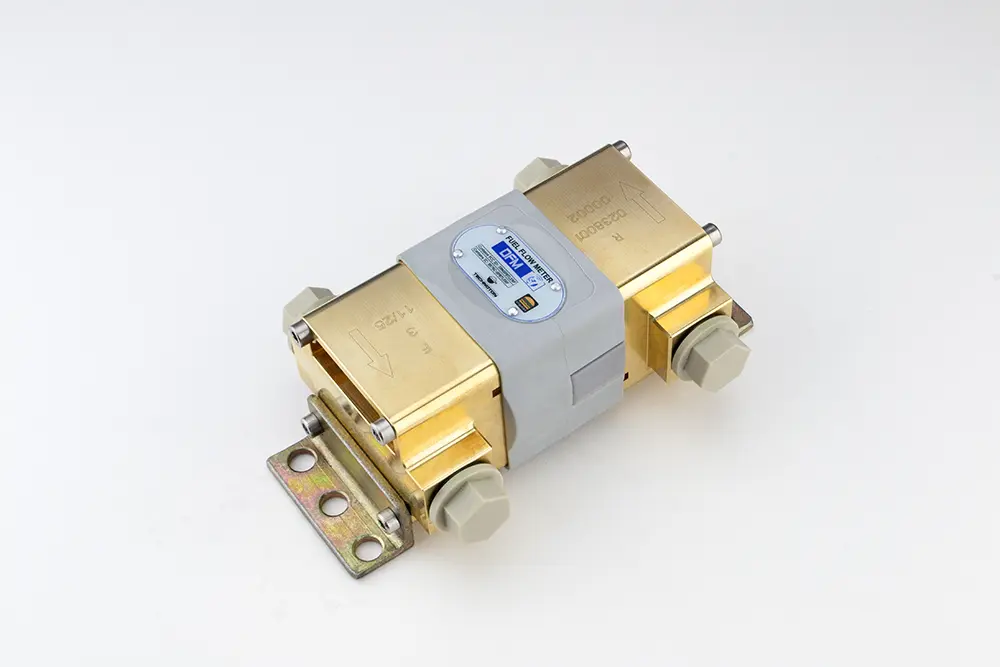
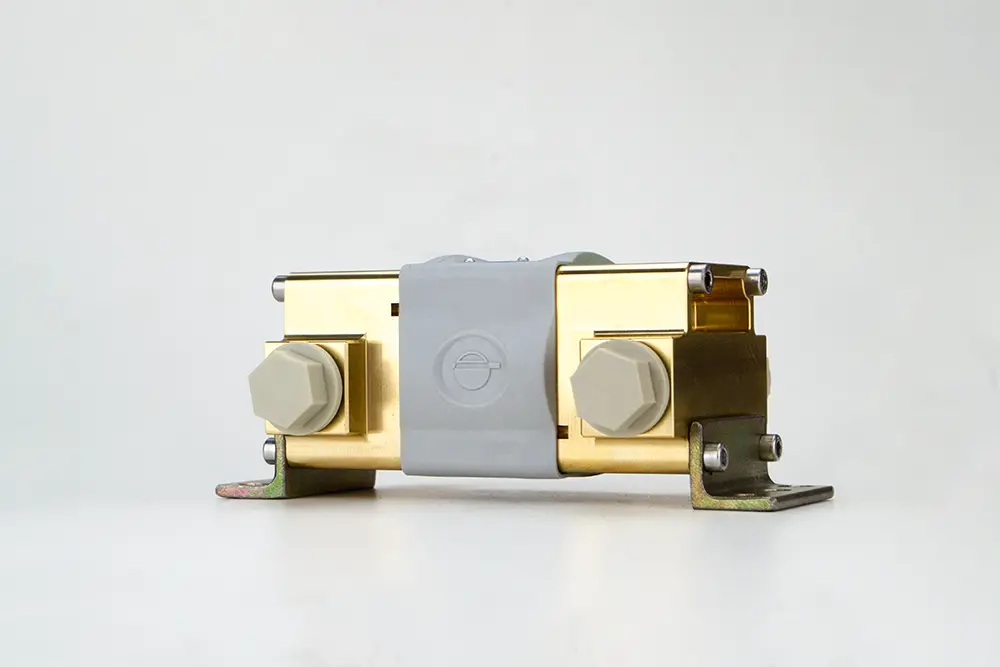
Technoton is expanding its DFM line of differential fuel flow meters. The new DFM 900D is designed for engines with fuel consumption of 100–120 L/h and fills the gap between the DFM 500D and the DFM Marine series. It is the first differential fuel flow meter on the market for this range.
Designed for heavy-duty applications
DFM 900D is intended for high-power equipment, including:
- 300–400 kW diesel generator sets (gensets)
- mid-size tugboats
- heavy excavators and mining dump trucks (40–60 tons)
- large bulldozers
- railway maintenance and track machines
In real-world operation, these machines typically burn around 100 L/h, while flow in the fuel supply line can reach up to 800 L/h. For engines in this class, installers often use two single-chamber DFM Marine meters in differential mode—either combined into one metering unit or installed separately across the fuel system.
The new DFM 900D simplifies the job: it takes less space, requires fewer connections, speeds up installation, and makes setup of a fuel monitoring system easier.
Fuel monitoring and telematics: CO₂ tracking and remote diagnostics
DFM 900D is used for fuel consumption monitoring in heavy-duty equipment (actual fuel burn, not estimates). It can work as a standalone fuel meter or as part of a fleet telematics solution, sending fuel data to a telematics platform for reporting and analysis.
In addition to accurate fuel usage monitoring, DFM 900D enables more precise CO₂ emissions tracking and supports remote diagnostics of the engine and fuel system from a fuel-rate perspective—helping detect early signs of abnormal operation based on changes in fuel flow behavior.
DFM 900D technical specifications
| Parameter | Value |
| Minimum flow per chamber | 150 L/h |
| Maximum flow per chamber | 900 L/h |
| Nominal diameter | DN 15 mm |
| Connection thread | G 1/2″ |
| Measuring chamber material | Brass (machined from solid stock) |
| Calibration interval | 900,000 liters |
DFM 900D within the Technoton lineup
| Model | Max flow per chamber | Engine consumption | Typical applications |
| DFM 100D | 100 L/h | 10–15 L/h | Pickups, small tractors, light trucks |
| DFM 250D | 250 L/h | 20–30 L/h | Mid-size tractors, long-haul trucks, mid-range gensets, small boats |
| DFM 500D | 500 L/h | 50–70 L/h | Large tractors, agricultural machinery, small tugboats, diesel generator sets |
| DFM 900D | 900 L/h | 100–120 L/h | 300–400 kW gensets, mid-size tugboats, heavy construction equipment, railway machinery, mining equipment |
DFM 900D use cases
Gensets. Containerized and stationary 300–400 kW diesel generator sets. Space inside the container is limited, so a compact meter for genset fuel monitoring is a practical solution.
Marine. Mid-size tugboats, workboats, river dry cargo ships. On vessels, fuel lines are often rigid metal tubing routed tightly through the engine room.
Construction and mining. Heavy excavators and mining dump trucks (40–60 tons), bulldozers. Field installation means downtime costs money—one instrument for fuel monitoring speeds up installation and returns the machine to operation faster.
Railway equipment. Motor trolleys, shunting vehicles, track maintenance machines—where fuel consumption monitoring is needed for engines consuming 100–120 L/h.
Choosing a fuel flow meter: DFM 900D or two DFM Marine 1000 meters?
Both options are suitable for engines with 100–120 L/h consumption. The choice depends on installation conditions.
Choose DFM 900D when:
- installation space is limited and a compact metering unit is required
- installation speed matters (one device installs faster)
- the fuel system is typical, with supply and return lines located close to each other
Choose two DFM Marine 1000 meters when:
- supply and return lines are far apart in the fuel system (there’s no reason to bring them to one point)
- extra headroom is needed for supply-line flow
there is enough space to mount two DFM Marine meters